
India’s maritime trade has long depended on overseas transshipment hubs despite its extensive coastline. The emergence of Vizhinjam International Seaport signals a decisive shift in this pattern. Designed as a deepwater, future-ready container port, Vizhinjam positions India closer to global shipping corridors while strengthening domestic logistics control. Its development reflects a broader transformation in port-led economic planning, where capacity, automation, and strategic geography converge.
Situated along the southwest coast, the port benefits from immediate access to international east–west shipping lanes. This geographical advantage allows large container vessels to dock without significant route deviation, reducing turnaround times and operational costs. More importantly, it enables India to reclaim cargo volumes previously handled by foreign ports, improving efficiency across the national supply chain.
Beyond infrastructure, Vizhinjam represents a policy-driven attempt to integrate maritime trade with industrial growth. By aligning port development with logistics corridors, employment generation, and investment zones, the project expands its role beyond cargo handling into economic ecosystem creation.
Natural Deepwater Advantage and Port Engineering Capabilities
One of Vizhinjam’s defining strengths lies beneath the surface. Unlike many Indian ports that require continuous dredging, Vizhinjam offers a naturally deep draft exceeding 20 metres. This geological advantage allows the port to accommodate ultra-large container vessels without extensive seabed modification, significantly lowering long-term maintenance costs.
The port’s engineering design integrates long breakwaters, wide approach channels, and expansive reclamation zones. These features support high-capacity berthing and simultaneous vessel operations. With planned multi-berth layouts and large container yards, the port is structured to handle mother vessels that typically bypass South Asian ports.
Such physical advantages are critical in a global shipping environment dominated by vessel upscaling. Ports unable to handle larger ships risk marginalization. Vizhinjam’s specifications future-proof it against these shifts while positioning India competitively in global maritime logistics.
From Historic Harbor to Strategic Trade Gateway
Vizhinjam’s maritime relevance is not a modern discovery. Historical records indicate its role as an active trading harbor centuries ago, connecting regional commerce with broader Indian Ocean trade networks. Over time, colonial trade patterns redirected maritime focus elsewhere, leading to a prolonged decline in its port activity.
The renewed interest in Vizhinjam emerged from post-independence assessments of India’s maritime gaps. Studies highlighted the absence of a natural deepwater transshipment port capable of retaining national cargo. This realization gradually translated into long-term planning, culminating in a large-scale redevelopment vision.
Today’s port represents the convergence of historical geography and modern logistics strategy. Its revival reflects how legacy maritime locations can be reimagined through contemporary infrastructure and policy alignment.
Operational Performance and Early Commercial Outcomes
Commercial operations at Vizhinjam delivered strong early indicators of viability. Container handling volumes surpassed initial benchmarks within the first year, reflecting immediate acceptance by global shipping lines. High vessel frequency and consistent throughput demonstrated operational readiness beyond pilot-phase expectations.
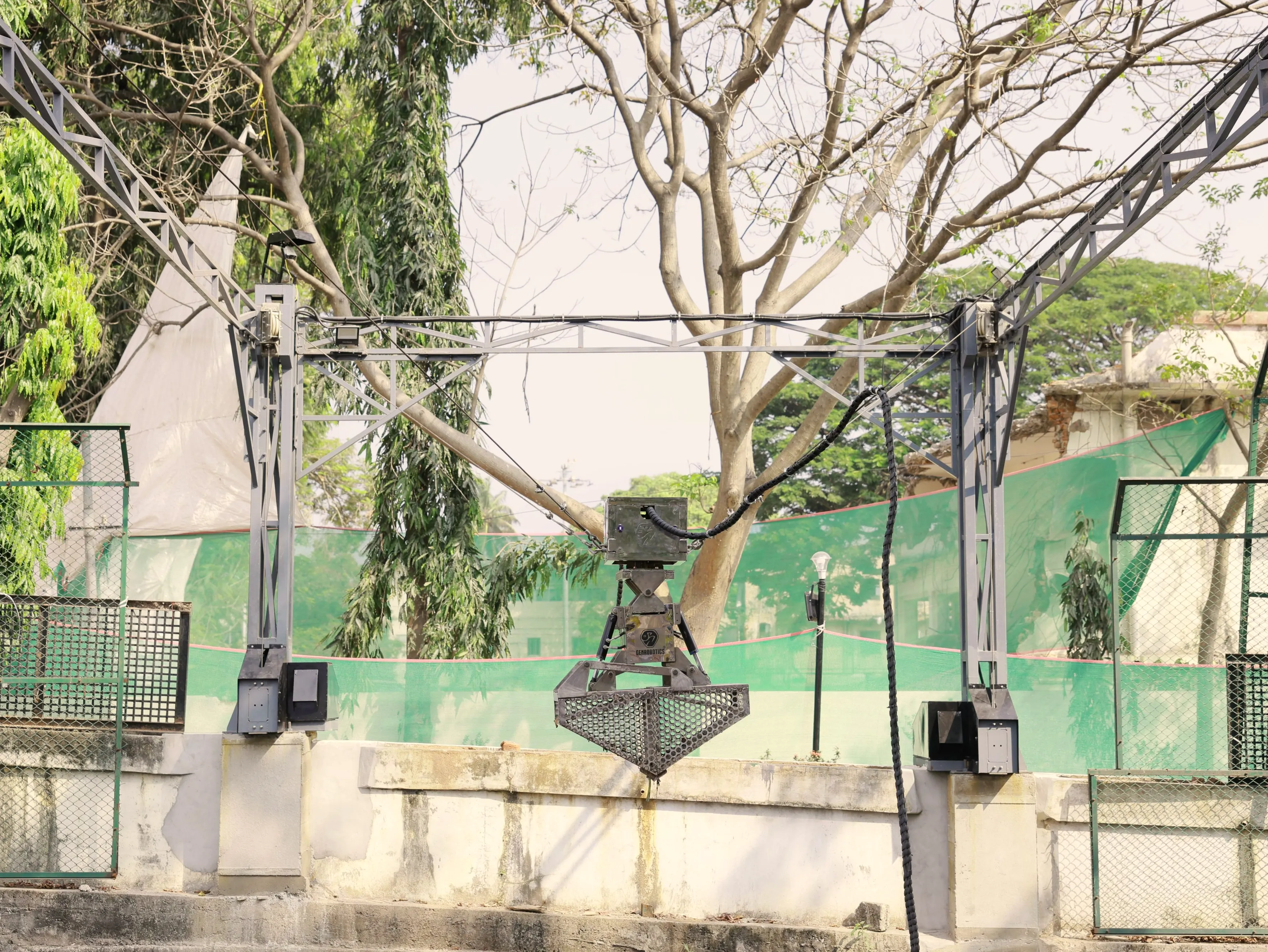
The port’s semi-automated systems played a key role in maintaining efficiency. Advanced crane operations, yard management technologies, and trained personnel reduced turnaround time while maintaining safety and precision. These efficiencies are essential for attracting repeat calls from major shipping operators.
Early success has strengthened confidence in accelerated capacity expansion. Rather than a gradual scale-up, the port’s operational data supports faster progression toward full design capacity, reinforcing its strategic relevance.
Integration Into Global Shipping Networks
A critical milestone for Vizhinjam has been its inclusion in major international shipping schedules. The arrival of some of the world’s largest container vessels signalled global confidence in the port’s depth, handling capability, and navigational safety.
Integration into global networks reduces India’s exposure to external port congestion and geopolitical disruptions. It also enhances schedule reliability for exporters and importers by shortening transshipment loops. For shipping companies, Vizhinjam offers a cost-efficient alternative along a high-traffic maritime corridor.
As network integration deepens, the port is expected to function not merely as a national asset but as a regional transshipment hub serving South Asia and the Indian Ocean rim.
Phased Expansion and Capacity Roadmap
Vizhinjam’s development follows a multi-phase expansion model designed to match demand growth. Subsequent construction phases focus on extending berth length, strengthening breakwater protection, and expanding container handling zones. These upgrades enable simultaneous berthing of multiple large vessels.
The revised completion timeline significantly advances full-capacity readiness. By compressing the development schedule, stakeholders aim to capitalize on early momentum and secure market share before competing regional ports expand their capabilities.
At full scale, the port is projected to handle several million TEUs annually, aligning India with leading transshipment hubs globally.
Connectivity, Compliance, and Operational Gaps
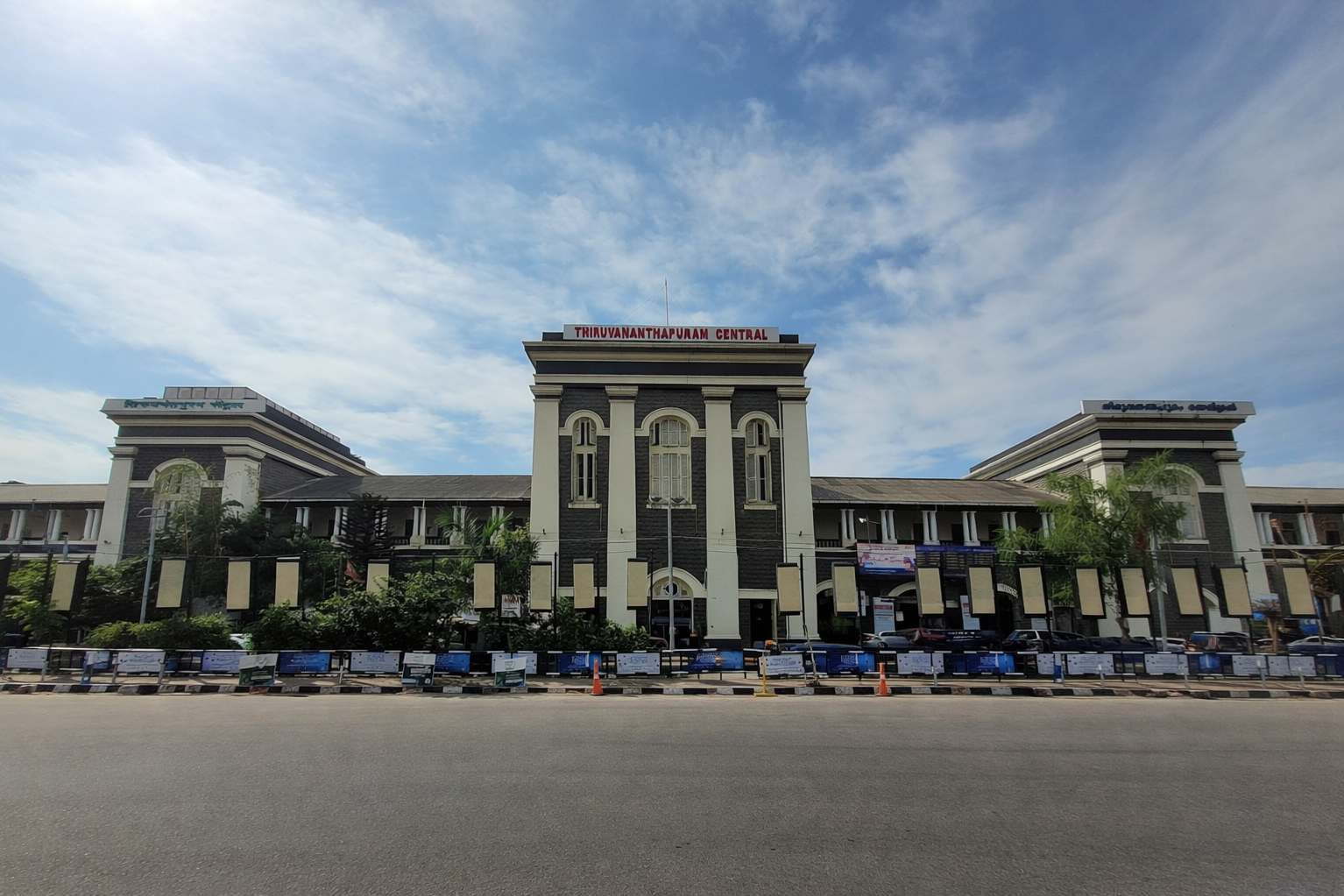
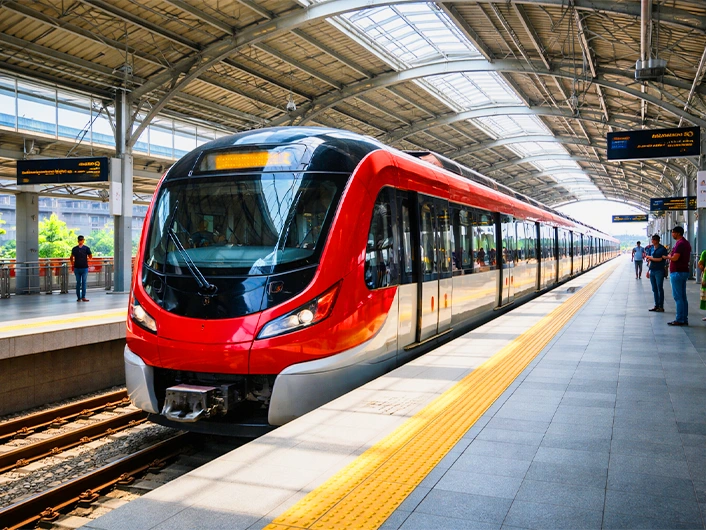
While maritime infrastructure has progressed rapidly, supporting systems remain critical. Efficient road and rail connectivity is essential to translate port performance into end-to-end logistics efficiency. Ongoing projects aim to strengthen last-mile cargo movement through dedicated corridors.
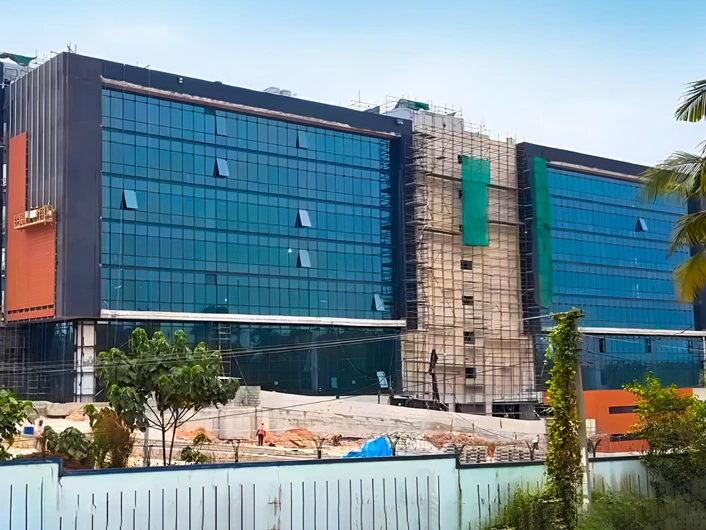
Regulatory and compliance infrastructure has also evolved, with customs and inspection facilities being phased in. Integrated checkpoints, health offices, and inspection yards are necessary to ensure smooth import-export workflows and international compliance standards.
Addressing these gaps will determine how effectively Vizhinjam transitions from a high-performing port to a fully integrated logistics hub.
Industrial Ecosystems and Regional Economic Impact
The long-term vision for Vizhinjam extends beyond port operations. Surrounding development zones are planned to host logistics parks, manufacturing clusters, shipbuilding facilities, and green energy projects. This port-led development model mirrors successful global trade hubs.
Employment generation is a key outcome of this ecosystem approach. Direct port jobs are complemented by indirect opportunities across transportation, warehousing, services, and ancillary industries. Revenue flows to the state further reinforce the economic multiplier effect.
By anchoring industrial growth to maritime trade, Vizhinjam supports a sustainable regional development strategy rather than isolated infrastructure expansion.
Redefining India’s Role in Global Maritime Trade
Vizhinjam International Seaport represents a strategic correction in India’s maritime posture. By leveraging natural depth, geographic proximity, and modern port systems, it reduces structural inefficiencies that have persisted for decades. Its early success demonstrates how infrastructure, policy, and global trade dynamics can align effectively.
The port’s future impact will depend on seamless coordination among logistics providers, regulators, and industry stakeholders. If integration challenges are resolved on schedule, Vizhinjam has the potential to reshape South Asia’s transshipment landscape and strengthen India’s position in global trade networks.
FAQ’S
What makes Vizhinjam different from other Indian ports?
Vizhinjam has a natural deep draft exceeding 20 metres, allowing large vessels without extensive dredging, unlike most Indian ports.
Why is proximity to shipping routes important?
Closer access reduces route deviation, saving fuel, time, and operational costs for shipping lines.
Can Vizhinjam reduce India’s reliance on foreign ports?
Yes. It is designed specifically to retain transshipment cargo currently handled overseas.
What is the port’s projected capacity?
At full development, Vizhinjam is expected to handle over four million TEUs annually.
How does the port support employment?
It generates direct port jobs and indirect employment across logistics, transport, and industry.
Is the port fully operational?
Commercial operations have begun, with further phases under active development.
What industries benefit most from Vizhinjam?
Logistics, manufacturing, shipbuilding, export-oriented industries, and green energy projects benefit significantly.