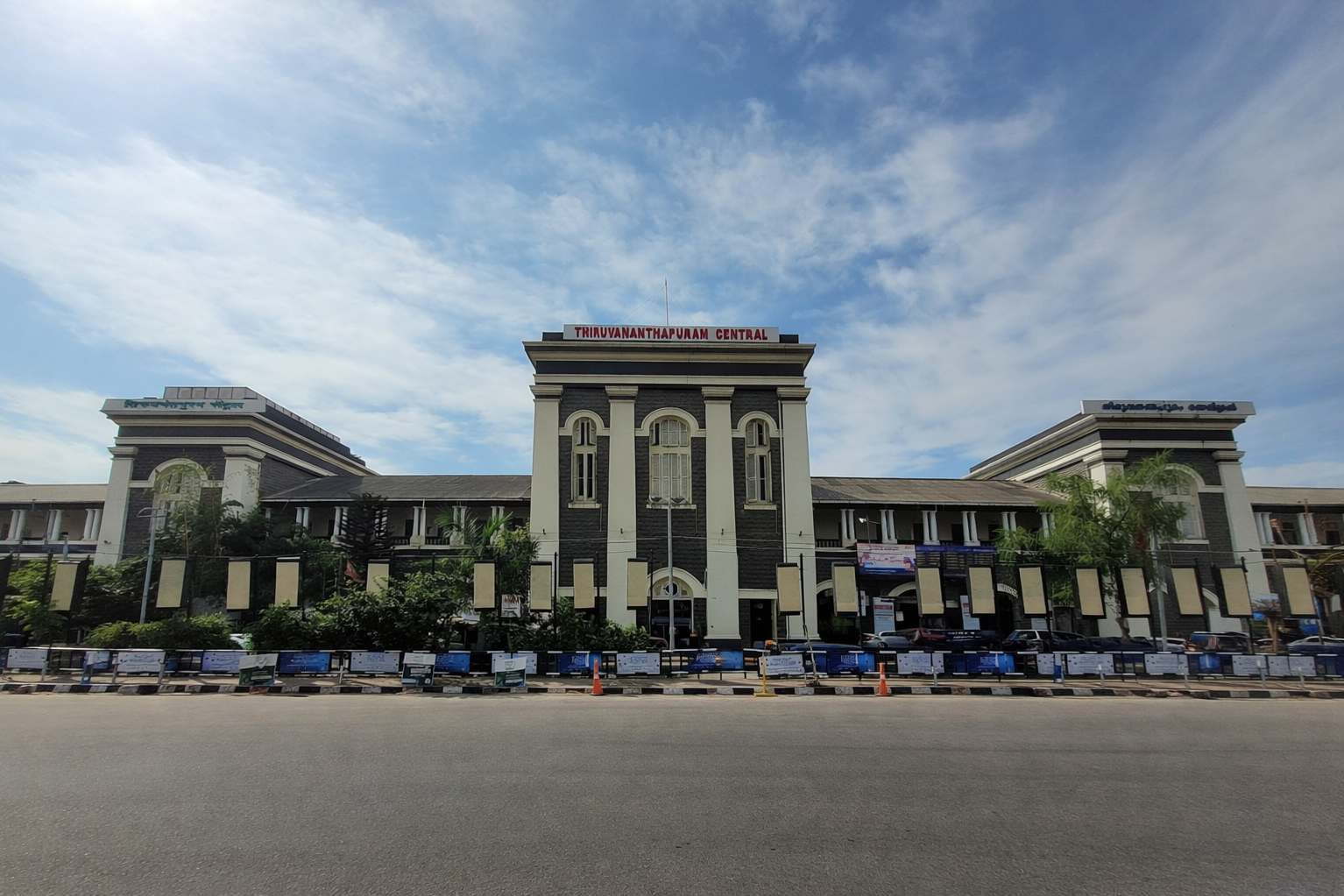
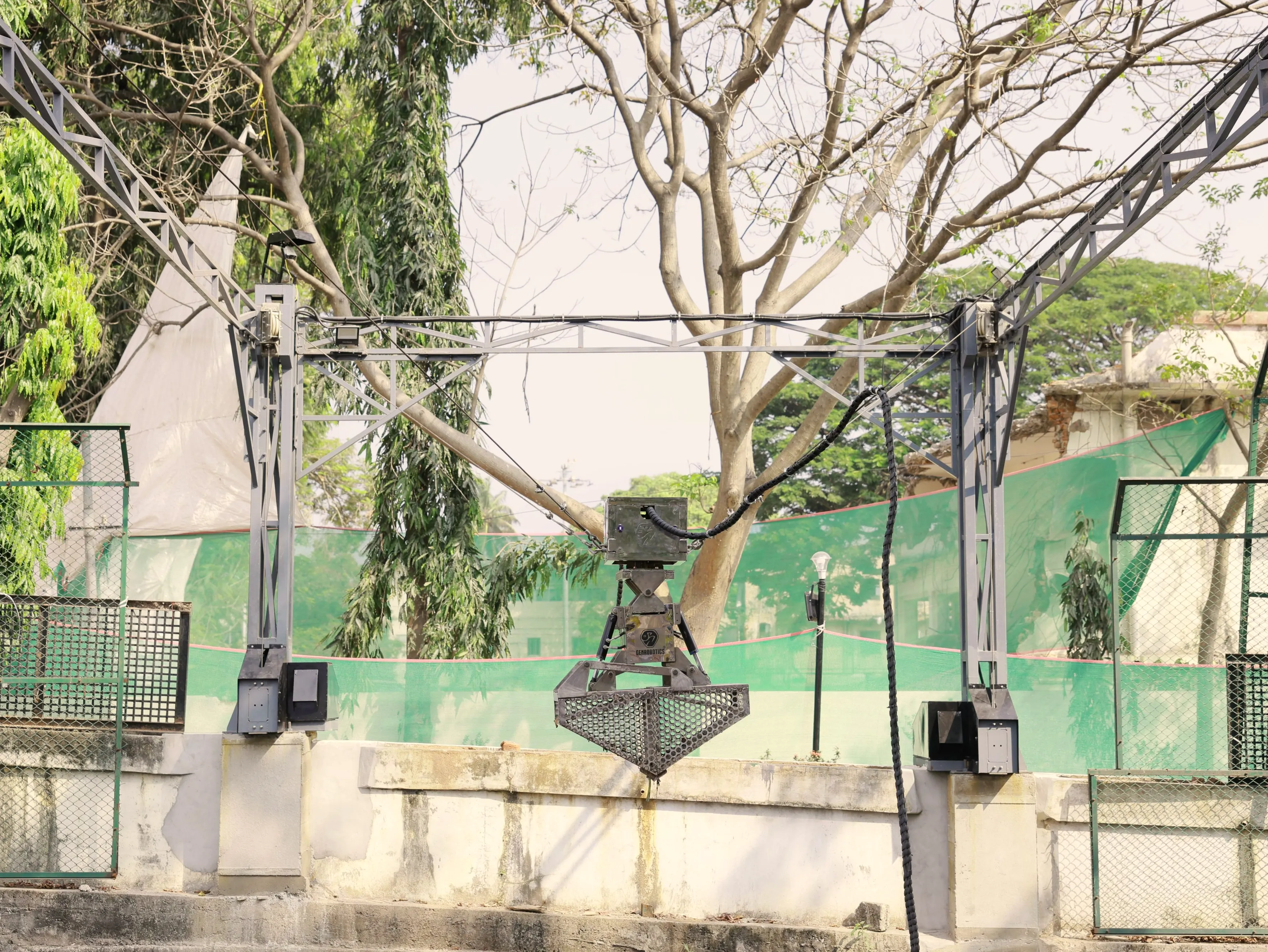
Thiruvananthapuram has taken a significant step towards safer and more modern waste management with the introduction of an AI-powered robotic canal-cleaning system called G-Spider. The system has been deployed at the Amayizhanchan canal near Thampanoor railway station, marking a clear transition away from hazardous manual canal-cleaning practices.
The initiative focuses on eliminating human entry into dangerous canal environments, a long-standing concern in urban sanitation work. The decision to adopt a robotic solution gained urgency following a fatal accident during canal cleaning operations in 2024, prompting authorities to prioritise worker safety and strict adherence to sanitation laws.
Why Robotic Canal Cleaning Was Needed
Manual canal cleaning has repeatedly exposed sanitation workers to unsafe conditions such as toxic gases, unstable canal structures, and unpredictable water flow. Despite repeated cleaning efforts, these risks continued to result in serious safety incidents, highlighting the urgent need for an alternative approach.
Key reasons behind the shift to robotic cleaning include:
This shift reflects a broader move towards technology-led sanitation management in urban areas.
Technology Behind the G-Spider System
G-Spider is designed to function effectively in complex and high-risk canal environments. It uses AI-enabled vision systems and intelligent sensors to identify and analyse waste in real time. The system can adapt to variations in water flow, waste composition, and structural constraints within canals, allowing it to operate reliably under changing conditions.
The robotic mechanism is equipped with multiple degrees of movement, enabling precise positioning and stable gripping of debris. Once extracted, the waste is automatically transferred to designated collection vehicles, ensuring a fully mechanised and hands-free process from detection to disposal.
How Does G-Spider Improve Canal Cleaning Operations?
G-Spider improves canal cleaning by replacing manual intervention with a fully automated and intelligent process. The system continuously monitors canal conditions, detects waste using AI-driven vision, and removes debris with controlled precision. By automating the entire workflow, it reduces safety risks, improves cleaning accuracy, and ensures consistent waste removal without interrupting canal operations. This approach not only protects sanitation workers but also enhances the overall effectiveness and sustainability of urban canal maintenance.
City authorities have reiterated their commitment to adopting advanced technologies to strengthen public health, environmental safety, and waste management efficiency. The deployment of G-Spider is seen as a practical and responsible step towards safer, smarter, and more sustainable urban sanitation systems.
Image source: x.com/GenRobotic