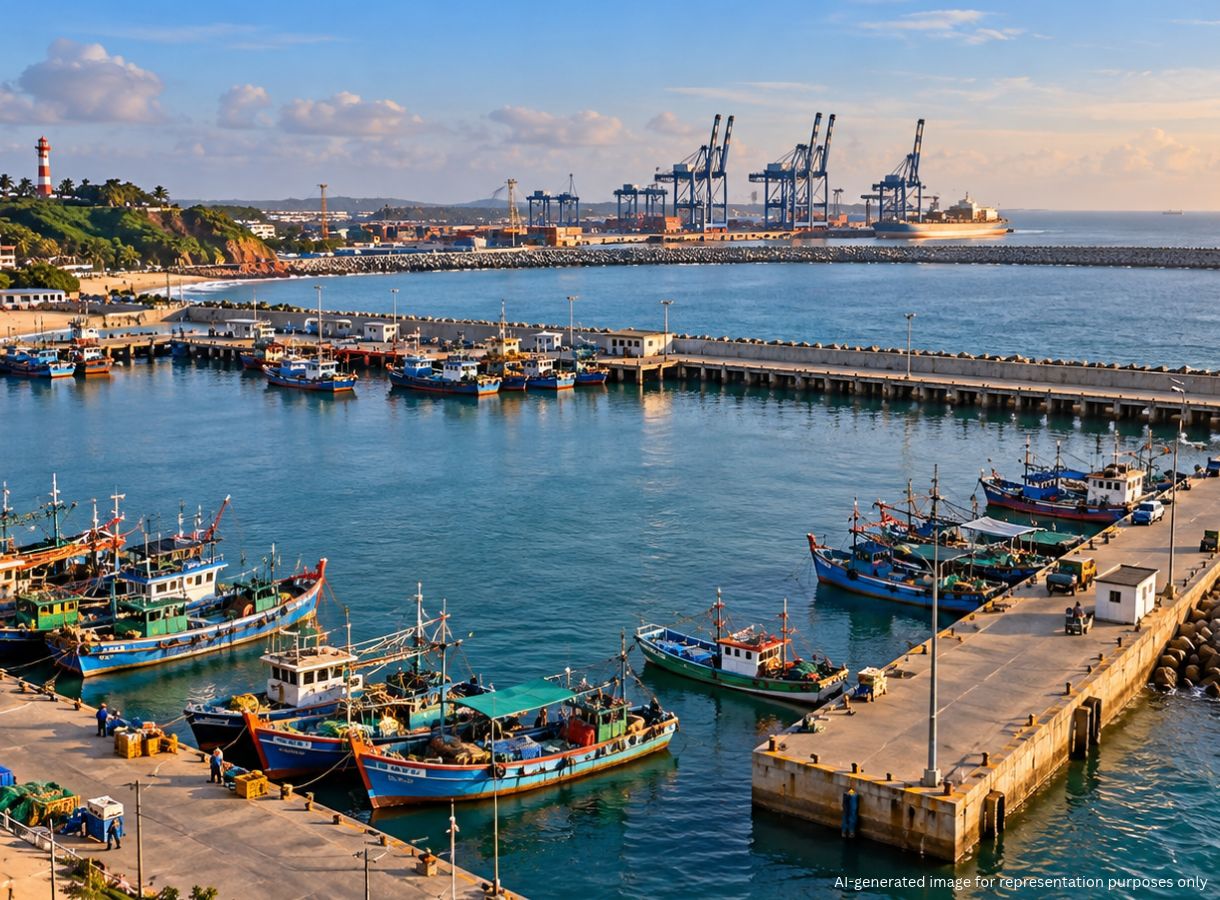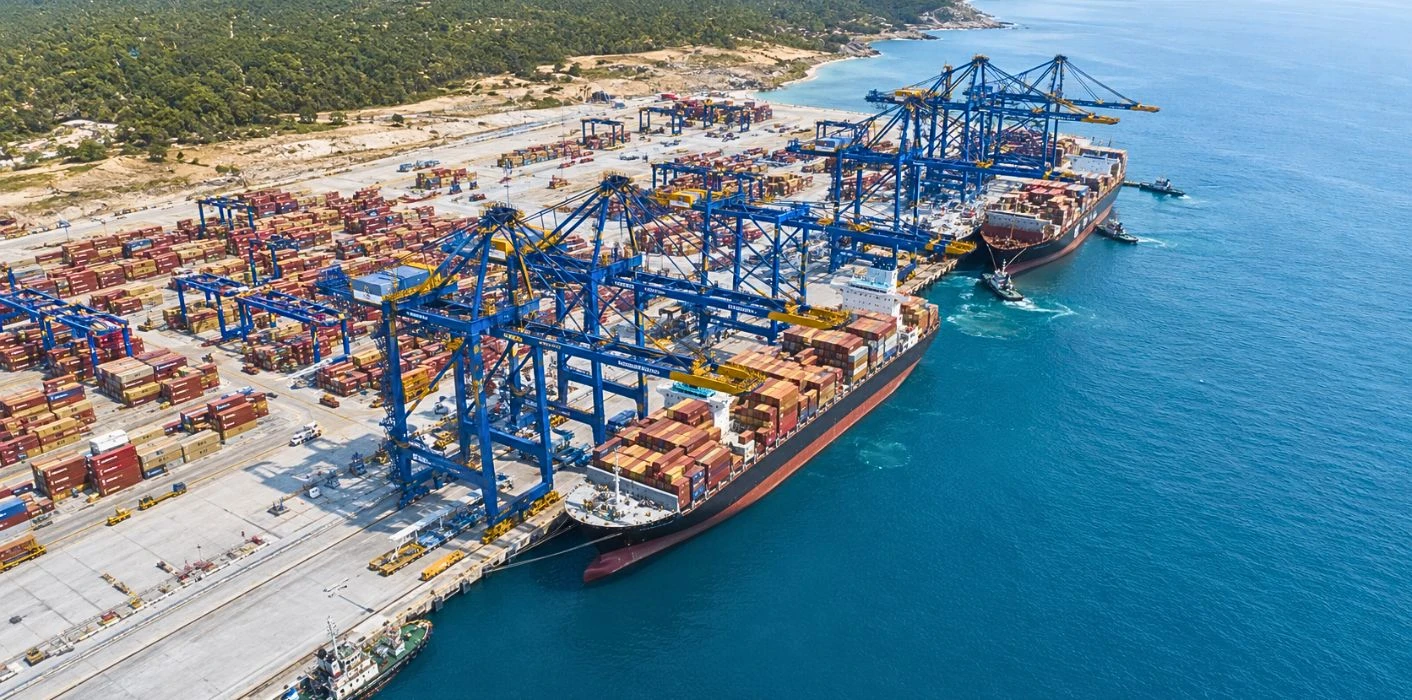
The rise of Vizhinjam Port is no longer a future promise - it is actively transforming Trivandrum into a high-impact maritime, logistics, and investment hub. With rapid infrastructure expansion, industrial approvals, and increasing cargo movement, the city’s economic structure is shifting in a visible and measurable way.
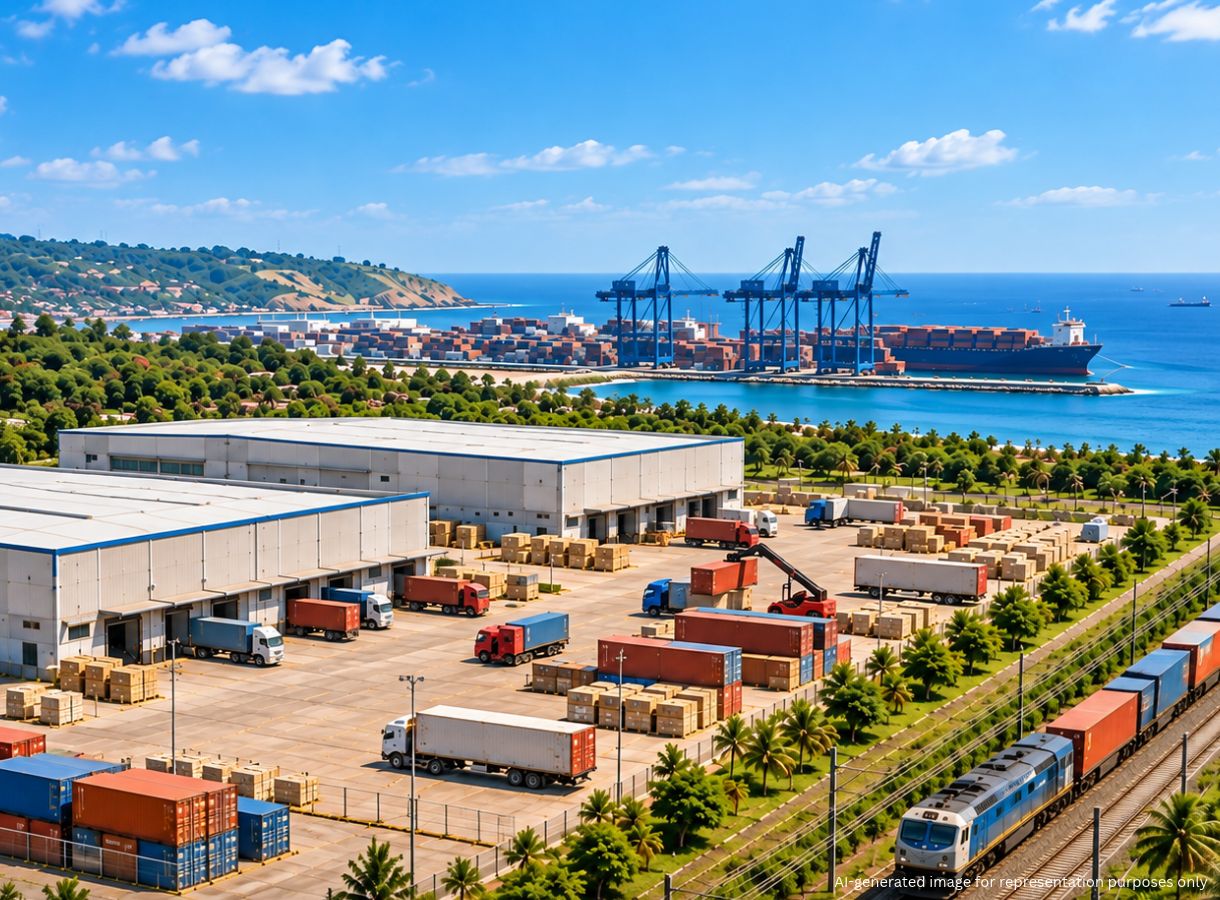
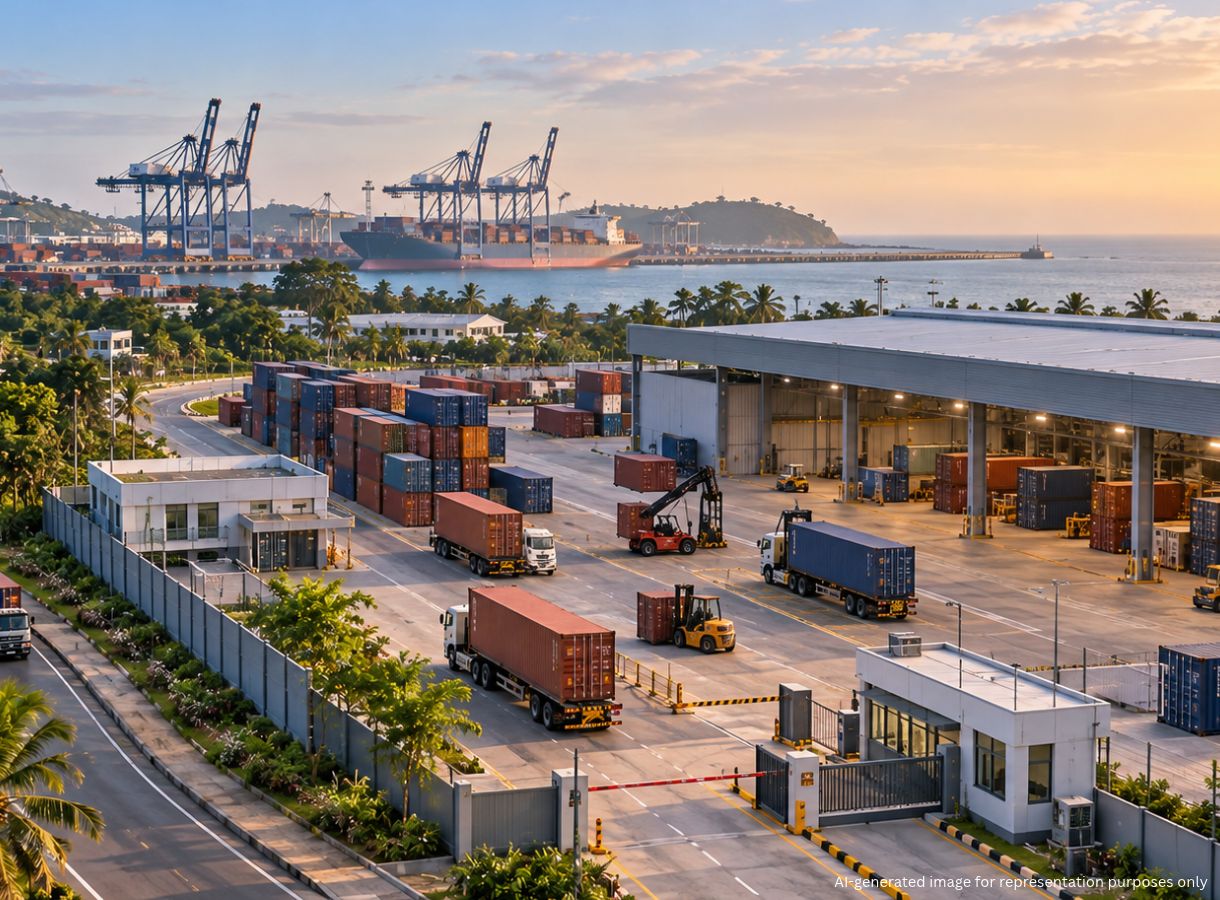
The most significant driver of this transformation is the ₹9,700 crore Phase 2 expansion. Once completed, the port’s container handling capacity is expected to increase from around 1 million Twenty-foot Equivalent Units (TEUs) to over 5 million TEUs, positioning it among India’s leading transshipment hubs. The physical infrastructure is also undergoing a major upgrade. The container berth is being extended to nearly 2,000 metres, while the breakwater is approaching a total length of 4 km. In addition, new facilities such as a railway yard, liquid terminal, and tank storage systems are being integrated to strengthen logistics capabilities. A key highlight is the accelerated timeline. The expansion is now targeted for completion by 2028, significantly ahead of earlier projections, allowing economic benefits to reach the region much sooner.
A port becomes truly transformative only when supported by surrounding industries. The Kerala government’s approval of a 230-acre industrial and logistics zone near Vizhinjam plays a crucial role in this transition. Spread across Kottukal, Maranalloor, and Amaravila, this zone is being developed to accommodate logistics parks, warehousing infrastructure, and port-linked industrial units. This integrated ecosystem ensures that cargo handling, storage, and value-added processing can happen within close proximity to the port. As a result, the region is expected to witness strong job creation, increased private sector participation, and sustained industrial growth over the coming years.
Vizhinjam’s strategic advantage is already influencing cargo movement patterns across South India. Logistics operators are gradually shifting shipments from inland container depots in Bengaluru and Coimbatore toward Vizhinjam due to its operational efficiency. The port’s natural deep draft allows large vessels to dock without extensive dependency on feeder systems, while its proximity to major international shipping routes reduces transit time. Compared to more congested ports, Vizhinjam offers faster turnaround and smoother handling. At the same time, proposed barge connectivity to Kollam is expected to strengthen coastal cargo transport, making the port a key logistics node in the region.
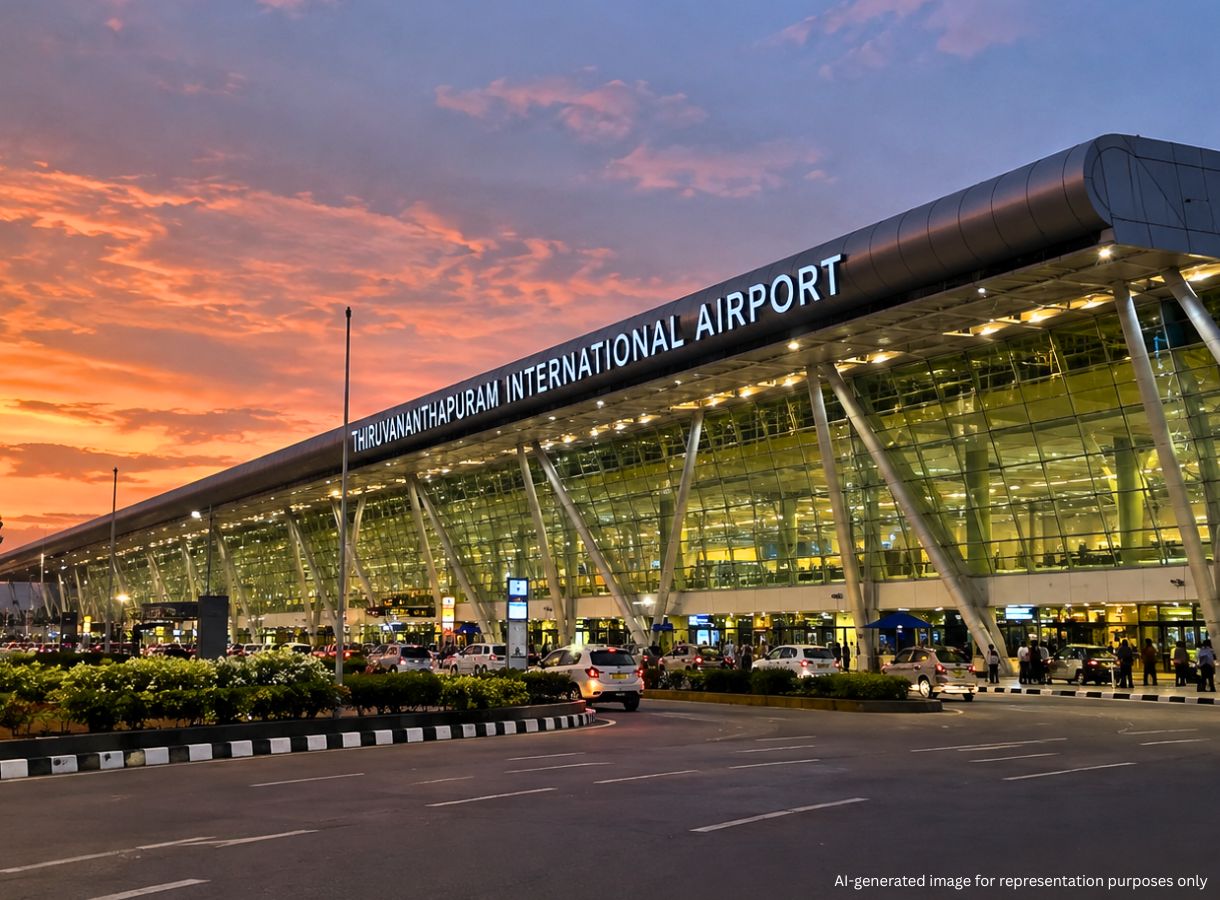
Vizhinjam’s recognition as an Integrated Immigration Check Post has introduced a new growth avenue through international cruise tourism. With immigration facilities being developed within the port, passenger and crew processing is becoming faster and more efficient. Plans for a dedicated cruise terminal and a tourism-focused cruise village aim to attract global cruise operators. This is likely to increase international tourist inflow and support nearby destinations such as Kovalam, while also boosting the local hospitality sector.
The port is already generating measurable economic returns, with government tax revenues nearing ₹100 crore from early-stage operations. As cargo volumes increase, this contribution is expected to grow substantially. On the ground, the impact is clearly visible in the real estate market. Areas like Pallichal and Nemom are experiencing rising demand for both residential and commercial properties. This trend is being driven by workforce movement, expectations of industrial expansion, and improving infrastructure in the port corridor.
Vizhinjam is not just a port project but a long-term economic catalyst. By combining large-scale maritime infrastructure, industrial development, logistics efficiency, and tourism potential, it is repositioning Thiruvananthapuram as an emerging global trade and investment destination.
1. What is the capacity of Vizhinjam Port after Phase 2 expansion?
After Phase 2 expansion, Vizhinjam Port is expected to handle more than 5 million TEUs annually, making it one of India’s largest transshipment ports.
2. Which areas are included in the Vizhinjam industrial and logistics zone?
The approved logistics and industrial zone near Vizhinjam includes Kottukal, Maranalloor, and Amaravila in the Thiruvananthapuram region.
3. Why are logistics companies shifting cargo operations to Vizhinjam Port?
Logistics operators prefer Vizhinjam because of its deep natural draft, faster vessel turnaround, reduced congestion, and direct access to international shipping routes.
4. How will Vizhinjam Port impact Trivandrum real estate growth?
Infrastructure expansion and industrial activity around Vizhinjam are increasing residential and commercial property demand in areas like Pallichal and Nemom.
5. How does Integrated Immigration Check Post status benefit Vizhinjam Port?
ICP status enables international cruise passenger processing at Vizhinjam, supporting cruise tourism growth, hospitality development, and tourism connectivity in Kerala.