As Thiruvananthapuram expands across residential, commercial and employment zones, smoother connections between different modes of transport are becoming increasingly important. Thiruvananthapuram Metro connectivity is now being planned around a more integrated mobility model, with the Detailed Project Report (DPR) proposing intermodal hubs at Pappanamcode and Anayara and a dedicated metro yard at Kazhakkoottam.
Prepared by Kochi Metro Rail Ltd (KMRL) with technical inputs from Delhi Metro Rail Corporation (DMRC), the DPR proposes a 31-km, fully elevated Phase I corridor with 27 stations at an estimated cost of around Rs 8,000 crore. The alignment received in-principle state government approval in November last year. If approved and implemented as planned, the project could strengthen public transport access while reducing dependence on private vehicles.
The proposed Phase I corridor will run from Pappanamcode to Enchakkal, linking major residential, administrative, educational, commercial and employment areas. The DPR will require state government approval before being forwarded to the Centre for final clearance.
KMRL is also seeking to apply operational lessons from the Kochi Metro while incorporating modern technology and passenger-focused design standards.
Major Features of the DPR
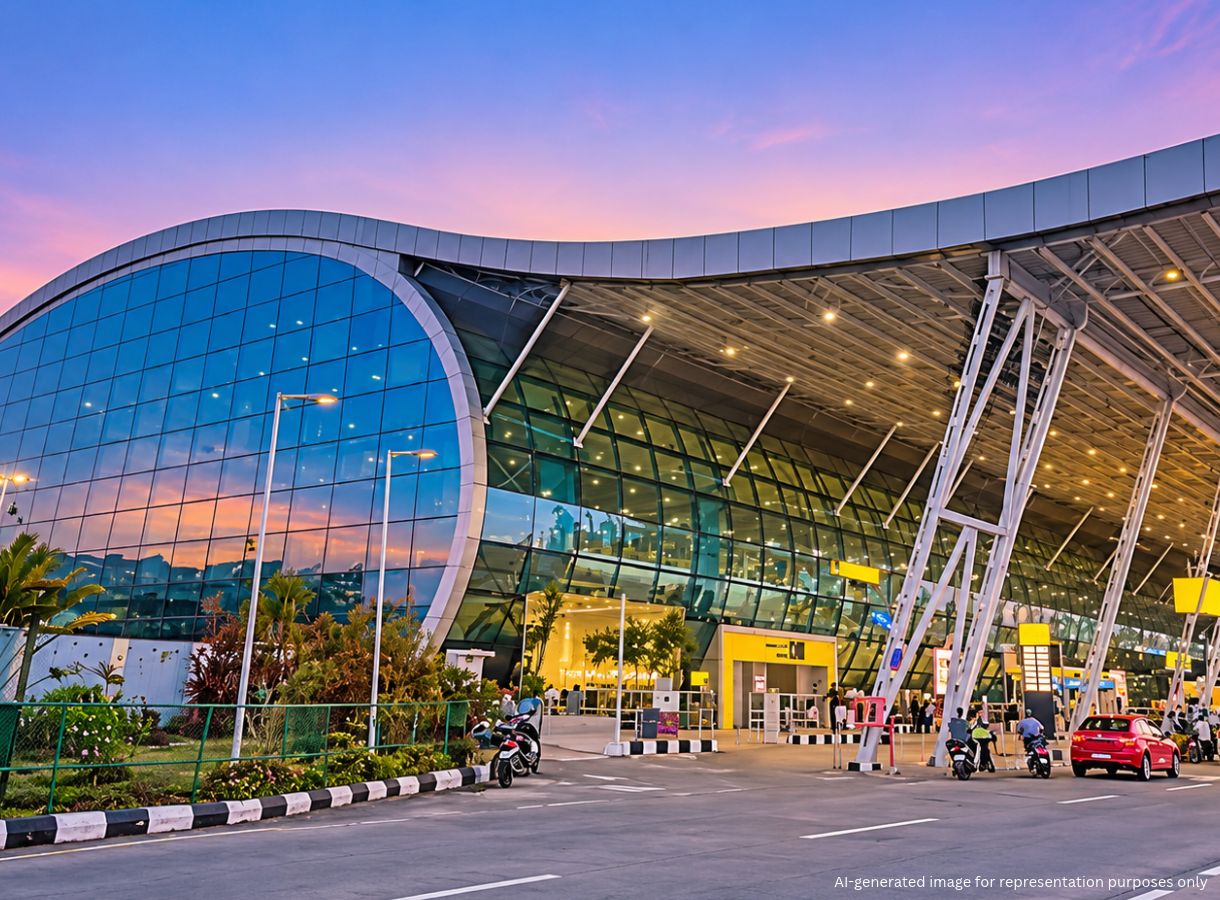
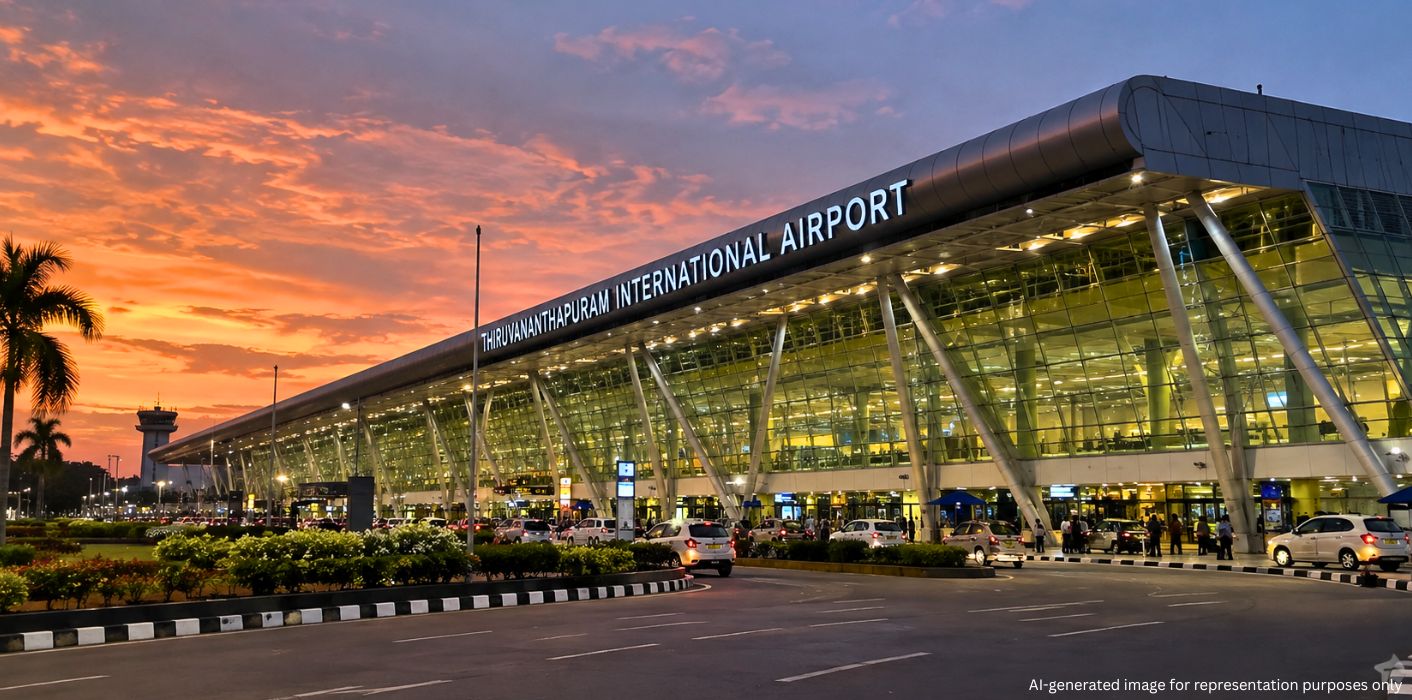
Anayara is central to the project's multimodal approach because of its proximity to NH 66, Kochuveli railway station, Thiruvananthapuram International Airport and the Parvathy Puthanar. The DPR retains the possibility of connecting future water-based transport through the waterway. The city corporation has been asked to facilitate land transfer, while KMRL is proposed to develop the hub using its own funds because of the corporation's financial constraints.
The corridor will also connect Karamana, Thampanoor, Secretariat, Palayam, Medical College, Ulloor, Sreekaryam, Kazhakkoottam, Technopark, Akkulam, Kochuveli, the airport and Enchakkal.
The project could create a stronger public transport spine between southern Thiruvananthapuram and major northern employment and transport centres. The Pappanamcode facility could encourage park-and-ride travel and reduce the number of private vehicles entering central areas, while Anayara could become an important interchange between multiple transport modes.
The proposed Metro represents more than a new rail corridor. Its emphasis on intermodal hubs, station access, parking and integration with road, rail, air and potentially water transport points towards a broader urban mobility network. The alignment is also designed around the PM Gati Shakti National Master Plan to improve coordination with existing and future infrastructure.
1. What is the Thiruvananthapuram Metro project?
Thiruvananthapuram Metro is a proposed 31-km Phase I corridor from Pappanamcode to Enchakkal with 27 stations and an estimated cost of around Rs 8,000 crore as outlined in the DPR.
2. How will Thiruvananthapuram Metro improve connectivity?
Thiruvananthapuram Metro connectivity could link major residential, commercial, administrative, educational and employment areas while integrating with other transport modes.
3. What major hubs are proposed under the Metro DPR?
Thiruvananthapuram Metro proposes an intermodal hub at Pappanamcode, a multimodal hub at Anayara and a Metro yard and maintenance facility at Kazhakkoottam.
4. How will Anayara be connected to other transport systems?
Thiruvananthapuram Metro's Anayara hub is planned near NH 66, Kochuveli railway station, the airport and Parvathy Puthanar, with potential future water-based connectivity.
5. Who will benefit most from Thiruvananthapuram Metro?
Thiruvananthapuram Metro is expected to benefit commuters, airport and railway passengers, Technopark workers, city residents and businesses through improved multimodal connectivity.
6. Is the proposed Thiruvananthapuram Metro underground?
Thiruvananthapuram Metro is currently proposed as a fully elevated corridor, with no underground section included in the present DPR.