Thiruvananthapuram is preparing for a significant improvement in its urban sanitation system through the implementation of the CITIIS 2.0 (City Investments to Innovate, Integrate and Sustain) initiative. The project aims to modernise solid waste management by enhancing existing decentralised systems with scientific processing methods, advanced infrastructure, and digital monitoring. Once final approvals are completed, preparatory activities and implementation are expected to begin, supporting cleaner neighbourhoods and more efficient waste handling across the city.
The initiative reflects a broader focus on sustainable urban development by improving collection, segregation, recycling, and treatment processes while encouraging the productive reuse of waste materials.
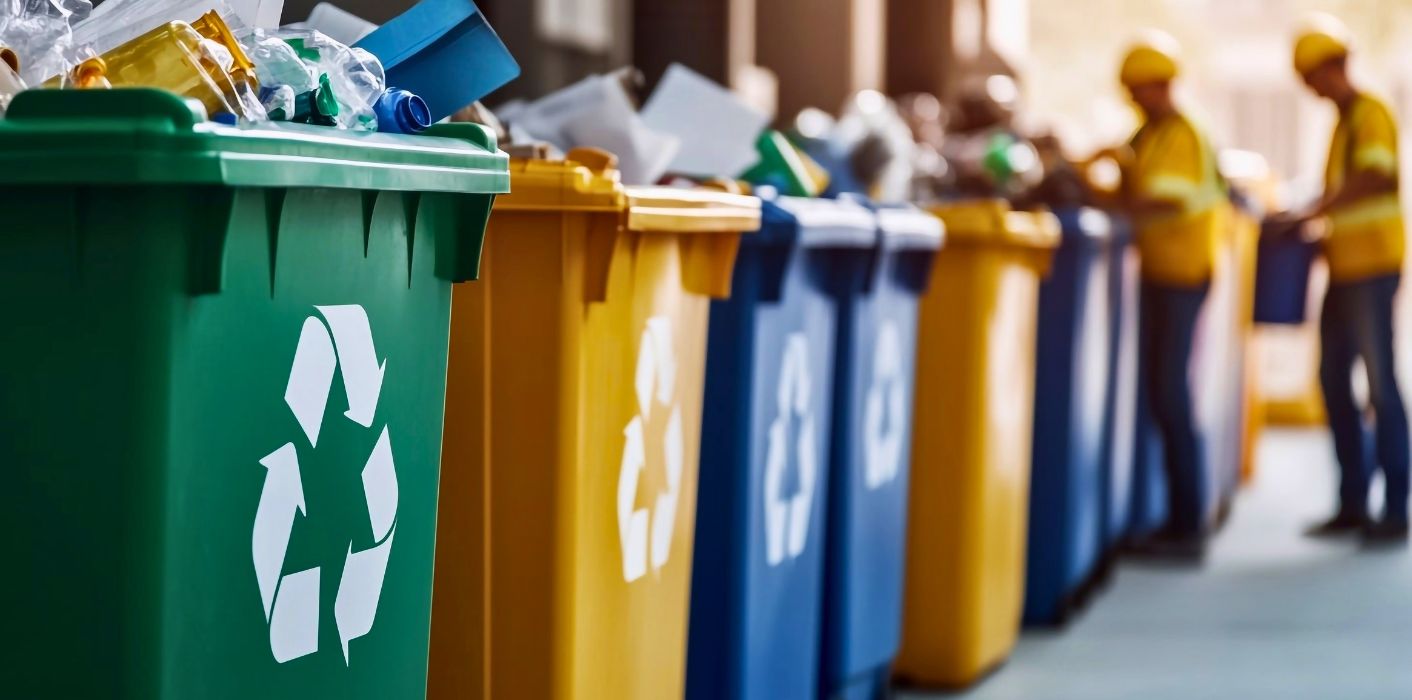
The project proposes the establishment of multiple waste processing facilities designed to strengthen the city's existing decentralised model. Rapid composting units will be developed at several locations to process organic waste efficiently, supported by effluent treatment systems that ensure environmentally responsible handling of wastewater generated during composting.
Additional infrastructure will include refuse derived fuel processing facilities, recycling centres, and digital systems that enable real time monitoring and tracking of waste management activities. Although centralised facilities will complement the network, neighbourhood-based collection and treatment will continue to remain the foundation of the city's waste management approach.
CITIIS 2.0 forms part of a national programme focused on creating cleaner and more sustainable cities through innovative urban infrastructure. Thiruvananthapuram's existing decentralised waste management practices have been recognised as a strong foundation that can be expanded through mechanised and scientific solutions.
The project seeks to improve operational efficiency while supporting the circular economy by converting waste into useful resources such as compost, manure, and refuse derived fuel. These initiatives can contribute to better resource utilisation while reducing the environmental impact of solid waste disposal.
The proposed infrastructure improvements are expected to enhance the quality and capacity of the city's waste management network while addressing existing service gaps. New equipment for street cleaning, upgraded treatment facilities, and improved public sanitation infrastructure are designed to support cleaner public spaces and more effective municipal services.
By integrating technology with decentralised waste management practices, the initiative represents a long-term investment in urban sustainability. The project has the potential to improve environmental management, support efficient resource recovery, and strengthen Thiruvananthapuram's position as a city adopting modern and sustainable infrastructure solutions for future urban growth.
1. What is the CITIIS 2.0 project in Thiruvananthapuram?
It is an urban development initiative focused on improving solid waste management through modern infrastructure and sustainable practices.
2. How will the project improve waste management?
It will enhance waste collection, segregation, composting, recycling, digital monitoring, and scientific treatment facilities.
3. Will decentralised waste management continue?
Yes. The existing neighbourhood-based waste management system will remain the primary approach while being strengthened through new infrastructure.
4. What new facilities are proposed under the project?
The project includes rapid composting units, recycling centres, refuse derived fuel facilities, effluent treatment plants, and digital waste tracking systems.
5. What are the long-term benefits of CITIIS 2.0?
The initiative aims to improve urban sanitation, resource recovery, environmental sustainability, and the overall efficiency of municipal waste management services.